How a Renovation Project Really Unfolds With a General Contractor — Beyond Blueprints and Hammers
- Olivier Gagné
- Dec 2, 2025
- 3 min read


When people think of “renovation,” they often picture dust, drilling noises, half-opened walls, and workers coming and going. But a renovation project with a general contractor isn’t just a sequence of technical steps. It’s above all a human and strategic journey, where every decision — from the first phone call to the final screw — impacts the project’s success.
1. Before the plans: understanding, not just listening
A successful project doesn’t start with a quote — it starts with a conversation. Before talking materials, timelines, or costs, a good contractor seeks to understand the intention behind the project:
Why are you renovating?
What currently bothers you in your space?
What emotion do you want to feel once the work is done?
At Groupe Solido, this listening phase is essential. It’s where we have the opportunity to capture the vision and keep it at the heart of every decision.
2. The winning trio: client, architect, contractor
Many people see the contractor as “the one who executes the plans.” In reality, they’re often the conductor of a project where every professional plays their part. When the client, architect/designer, and contractor move forward together from the start, the project becomes a co-creation rather than a simple subcontracting process.
The result?
More coherent decisions, fewer grey areas, and a project that remains true to its original vision.
3. A plan is more than a drawing: it’s a strategy
A plan isn’t just a graphic document — it’s a navigation map.But even the best map is useless without a pilot.The general contractor is the one who transforms the vision into a construction strategy through:
sequencing and scheduling;
coordinating subcontractors;
anticipating the real-world constraints of the site.
This is often where everything comes together — between the ideal design and the reality of the jobsite.
4. The jobsite: a choreographed ballet (not improvisation)
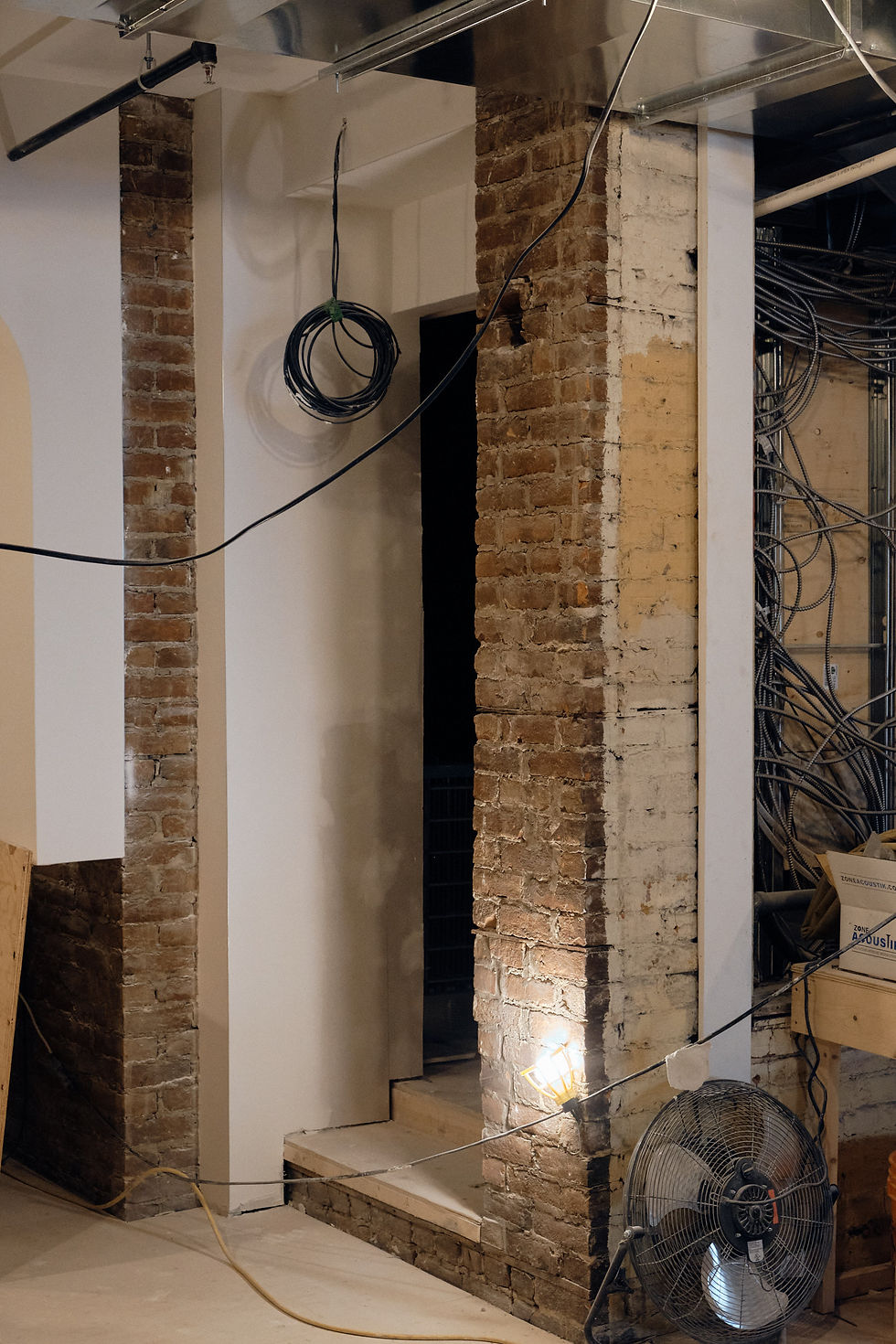
From the outside, a construction site can look chaotic. But behind every hammer swing and every measurement lies meticulous logistics. Every trade knows where, when, and how they need to operate.A good general contractor doesn’t just “manage workers” — they guide a smooth sequence, like a conductor leading an orchestra.
That’s what makes the difference between a stressful renovation and a controlled, positive experience.
5. The invisible role: managing the unpredictable
Most people never see the work happening behind the scenes.A general contractor spends their days preventing problems rather than putting out fires:
Adjusting a schedule due to a delayed delivery;
Finding an equivalent for a discontinued material;
Interpreting engineering plans to anticipate a structural conflict.
This anticipatory work can save weeks — and thousands of dollars — often without the client even realizing it.
6. The most important moment: the end
Ironically, the end of a project is often what leaves the strongest impression. A rigorous contractor doesn’t leave until everything is complete — down to the last bead of caulking, the last detail. They document deficiencies, provide warranties, and ensure post-project follow-up. Because ultimately, a renovation isn’t finished with the last invoice — but when the client reclaims their space with satisfaction.
In summary
A renovation project with a general contractor isn’t just a series of technical steps. It’s a collaborative experience where method, communication, and trust are just as important as hammers and nails. The right contractor isn’t the one who “does the work.” It’s the one who transforms complexity into clarity, protects the client’s vision, and brings rhythm and order to what could otherwise be chaos.


Comments